Was ist das grundlegende Verfahren der Fenton-Behandlung?
Der Fenton-Oxidationsprozess wird von Forschern hauptsächlich in vier Phasen unterteilt: Einstellen des pH-Werts der Lösung auf 3-4, Initiieren der Oxidationsreaktion, Neutralisieren der Lösung auf einen pH-Wert von 7-8 und Ausflockung/Präzipitation.
Fenton-Prozessablaufdiagramm
-
Fenton-Reagenz:
Das Standard-Fenton-Reagenz ist ein homogenes flüssiges System aus Wasserstoffperoxid und Eisen(II)-Ionen. Ausgehend von diesem Standardreagenz wurden durch Variation und Kombination der Reaktionsbedingungen verschiedene Fenton-ähnliche Reagenzmethoden mit vergleichbaren Mechanismen entwickelt, darunter die Elektro-Fenton-, Photo-Fenton-, Ultraschall-Fenton- und Mikrowellen-Fenton-Methode.
-
Säureeinstellung (pH-Wert-Einstellung):
Dies bezieht sich auf den Prozess der Zugabe von konzentrierter oder verdünnter Schwefelsäure, um den pH-Wert des Abwassers auf einen für die Fenton-Oxidationsreaktion geeigneten sauren Bereich einzustellen.
-
In dieser Phase werden üblicherweise Methoden wie hydraulisches Mischen, mechanisches Rühren oder Luftumwälzung eingesetzt, um die Diffusion und gründliche Vermischung der Säure mit dem Zulaufwasser zu beschleunigen. Die Mischzeit sollte mindestens 2 Minuten betragen.
-
Katalysatormischung:
Dies bezieht sich auf den Prozessschritt der Zugabe des Katalysators und der Sicherstellung seiner gründlichen Vermischung mit dem Abwasser.
-
In dieser Phase wird FeSO₄-Lösung (oder Eisenmineralien, elementares Eisen) typischerweise quantitativ mittels einer Dosierpumpe als Katalysator zugegeben. Methoden wie hydraulisches Mischen, mechanisches Rühren oder Luftströmung werden eingesetzt, um die Diffusion und gründliche Vermischung des Eisensulfats mit dem Zulaufwasser zu beschleunigen. Die Mischzeit sollte mindestens 2 Minuten betragen.
-
Fenton-Oxidation:
Dies bezieht sich auf den Prozess, bei dem das Fenton-Reagenz unter sauren Bedingungen Hydroxylradikale erzeugt, die die Struktur organischer Stoffe zerstören und diese letztendlich oxidieren/zersetzen.
-
Oxidationsreaktion:
Dies bezieht sich auf den Verfahrensschritt, bei dem das Oxidationsmittel (Wasserstoffperoxid) hinzugefügt, gründlich mit dem Abwasser vermischt und die Fenton-Oxidation in Gegenwart des Katalysators ermöglicht wird, wodurch organische Stoffe im Abwasser oxidiert und zersetzt werden.
-
In dieser Phase sollte die hydraulische Verweilzeit anhand der Rohwasserqualität (CSB, pH-Wert, SS usw.), der Schadstoffeigenschaften und der Einleitungsanforderungen bestimmt werden. Der Reaktionsbehälter sollte vorzugsweise aus mindestens zwei Stufen bestehen (um Kurzschlüsse oder Bedienungsfehler zu vermeiden, die zu einer unzureichenden Oxidationsreaktionszeit führen).
-
Neutralisation:
Dies bezieht sich auf den Prozess der pH-Wert-Anpassung des Abwassers aus dem Oxidationsreaktionstank, um die Anforderungen nachfolgender Aufbereitungsprozesse oder Einleitungsstandards zu erfüllen, wobei der pH-Wert typischerweise auf 7-8 eingestellt wird.
Fenton-Technik-Innovation
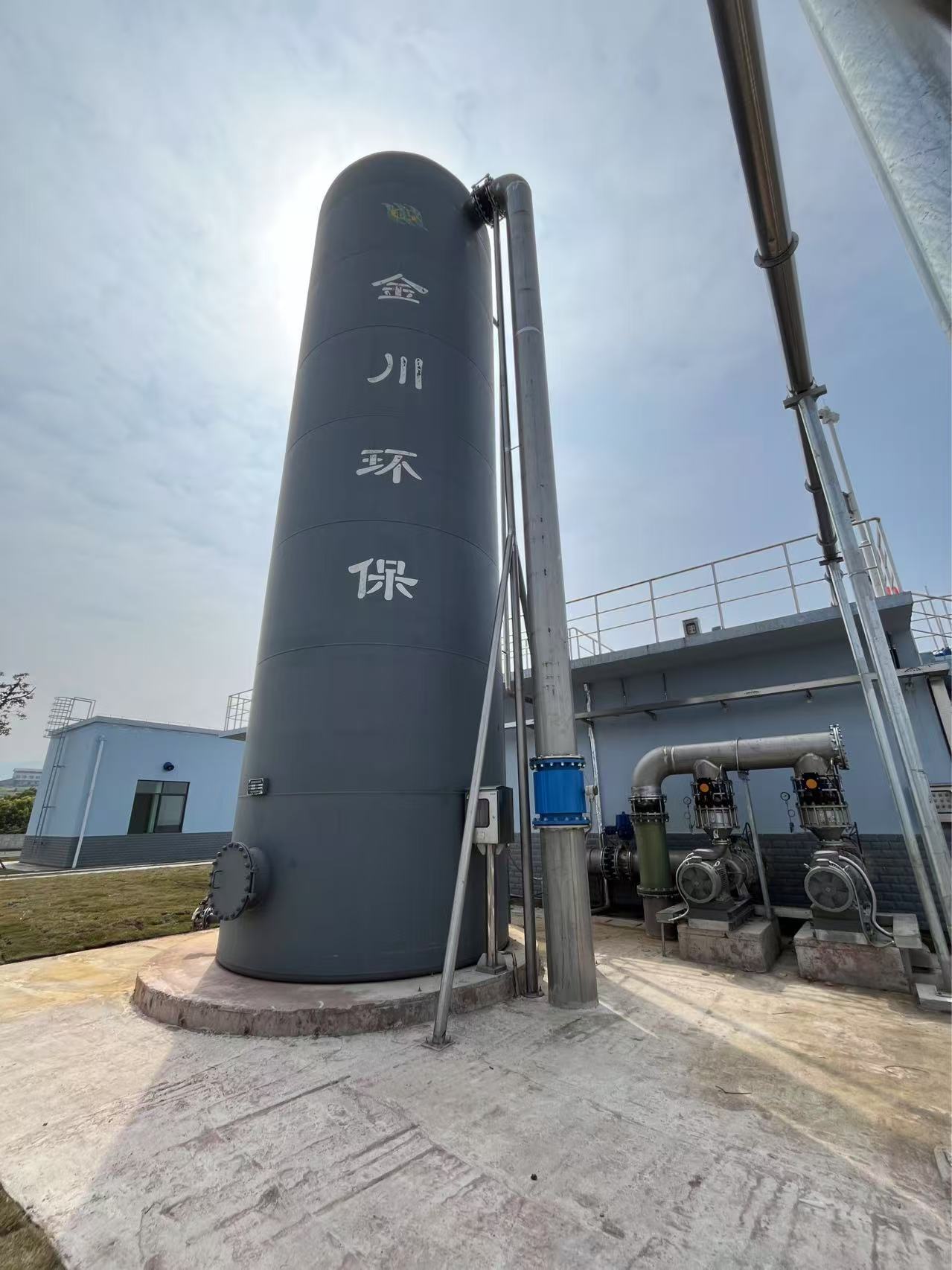
Fenton 1.0 - Traditionelles Fenton: im Wesentlichen eine Kombination aus Chemikaliendosiergeräten.
Fenton 2.0 - Wirbelschicht-Fenton: Nutzt Medien, um mehr Hydroxylradikale zu erzeugen.
Fenton 3.0 - Magnetisches Fenton: Reduziert ineffektive Hydroxylradikale signifikant und erhöht so die Hydroxylradikal-Nutzungsrate durch Magnettechnologie erheblich.
|
Vergleichender Überblick über drei Fenton-Generationen
|
|
Technik
|
Prozesscharakteristik
|
Betriebscharakteristik
|
|
Fenton
1.0
Traditionelles Fenton
|
1.
Kein Reaktor + kein Medium
2.
Hoher Chemikalienverbrauch
3. Kombination des Dosiersystems
|
1. Niedrige CSB-Abbaurate, hohe Betriebskosten
2. Hohe Schlammbildung
3.
Hohe Abhängigkeit vom Betreiber der Anlage
|
|
Fenton 2.0 Wirbelschicht
Fenton
|
1.
Reaktor + Medium (Katalysator)
2.
Nutzt Medien (wie Quarzsand/Eisen-Kohlenstoff-Katalysatormaterialien), um die Erzeugung von mehr Hydroxylradikalen zu fördern und dadurch die Oxidationseffizienz zu steigern.
|
1.
Die angeforderten Medien sollten als Verbrauchsmaterial ersetzt werden (Kosten 0,1 RMB/Tonne Wasser).
2.
Hohe Ausfallrate, Reaktor neigt zu Verklumpungen und Verstopfungen
3.
Bei Überdosierung von H₂O₂ sollte ein Entgasungsgerät verwendet werden.
;
4
Die
Läuft nicht.
|
|
Fenton 3.0 Magnetisches Fenton
|
1.
Reactor+ Keine Medien
2.
Geringer Chemikalienverbrauch, niedriger Stromverbrauch und geringe Schlammproduktion
|
1. Extrem niedrige Gesamtbetriebskosten
;
2. Ausfallfrei, wartungsfrei, kontinuierlicher Betrieb
3. Geringe H₂O₂-Dosierung, kein Entgasungsgerät erforderlich.
4. Jederzeit starten und stoppen, vollautomatischer Betrieb
;
|
Das Jinchuan Magnetic Fenton-Verfahren weist folgende einzigartige Spezifikationen auf:
-
Null Fehler
-
Medien als Katalysator sind nicht nötig.
-
Geringer Chemikalienverbrauch
-
Geringer Stromverbrauch
-
Geringe Schlammbildung


 Netzwerk unterstützt